


Could waste-to-molecule technology make airport expansions sustainable?
By Myfanwy Fleming-Jones
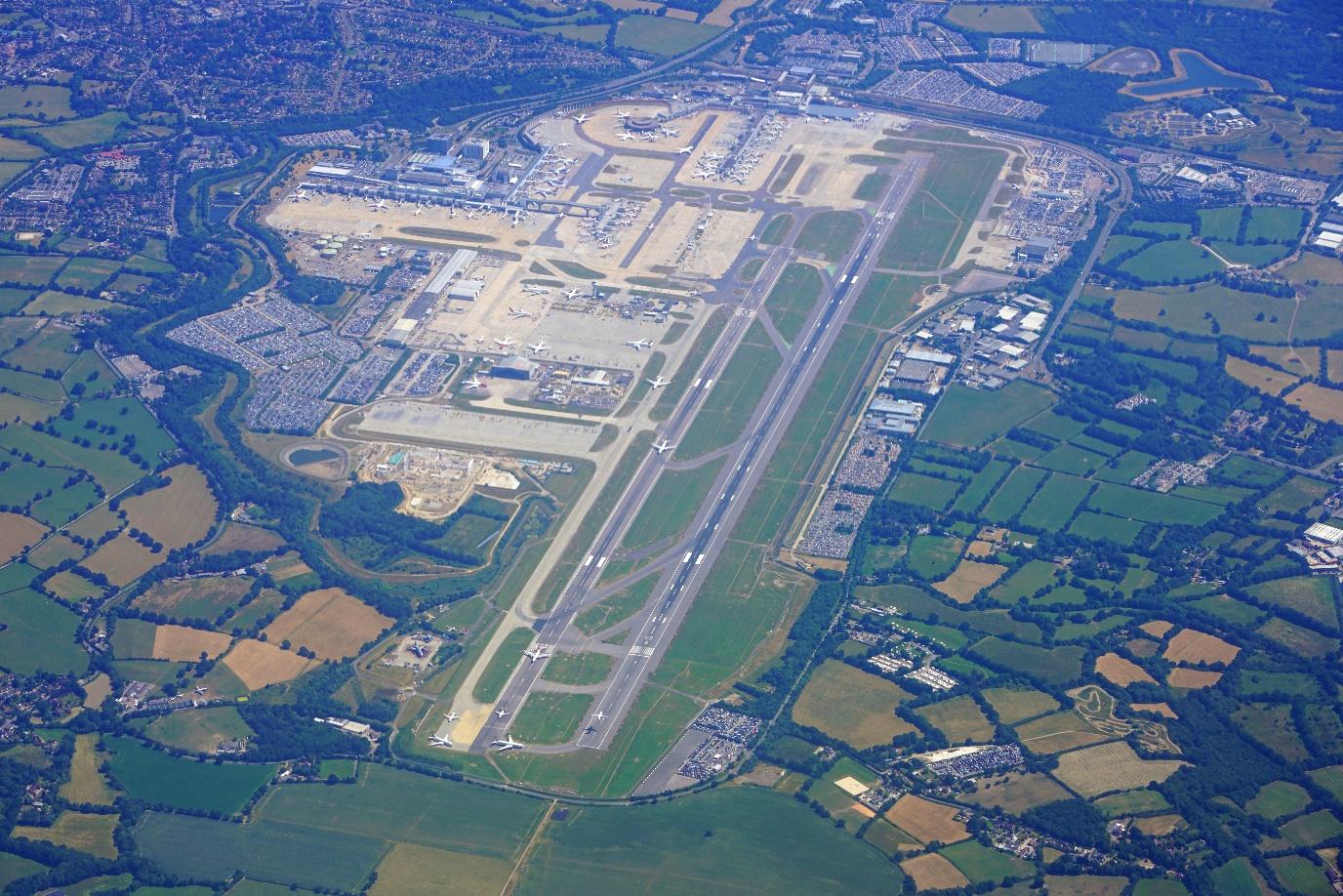
The UK aviation sector faces a pivotal challenge. The demand for air travel is set to rise sharply, with major airport expansions underway, even as the government commits to Net Zero targets requiring a 40% blend of Sustainable Aviation Fuel (SAF) by 2040.
The industry is now faced with the difficulty of balancing economic growth alongside a commitment to environmental responsibility. Avioxx’s waste-to-molecule technology provides a path forward through this: producing SAF from unrecyclable waste while helping airports manage their own waste streams through small modular plants.
The waste challenge
The UK produces around 5 million tonnes of plastic and 9.5 million tonnes of food waste each year, alongside millions of tonnes of other unrecyclable material. Whilst recycling rates have improved, reaching 44% of municipal waste this year, 28.8 million tonnes of waste, annually, still end up incinerated or in landfill. This negatively drives emissions and causes environmental damage.
This waste is an untapped resource that Avioxx is utilising to create fuel that directly combats carbon emissions released from the aviation industry. By harnessing it, landfill dependency is reduced whilst generating sustainable alternatives to fossil fuels for a fast-growing aviation industry.
Waste-to-molecule innovation
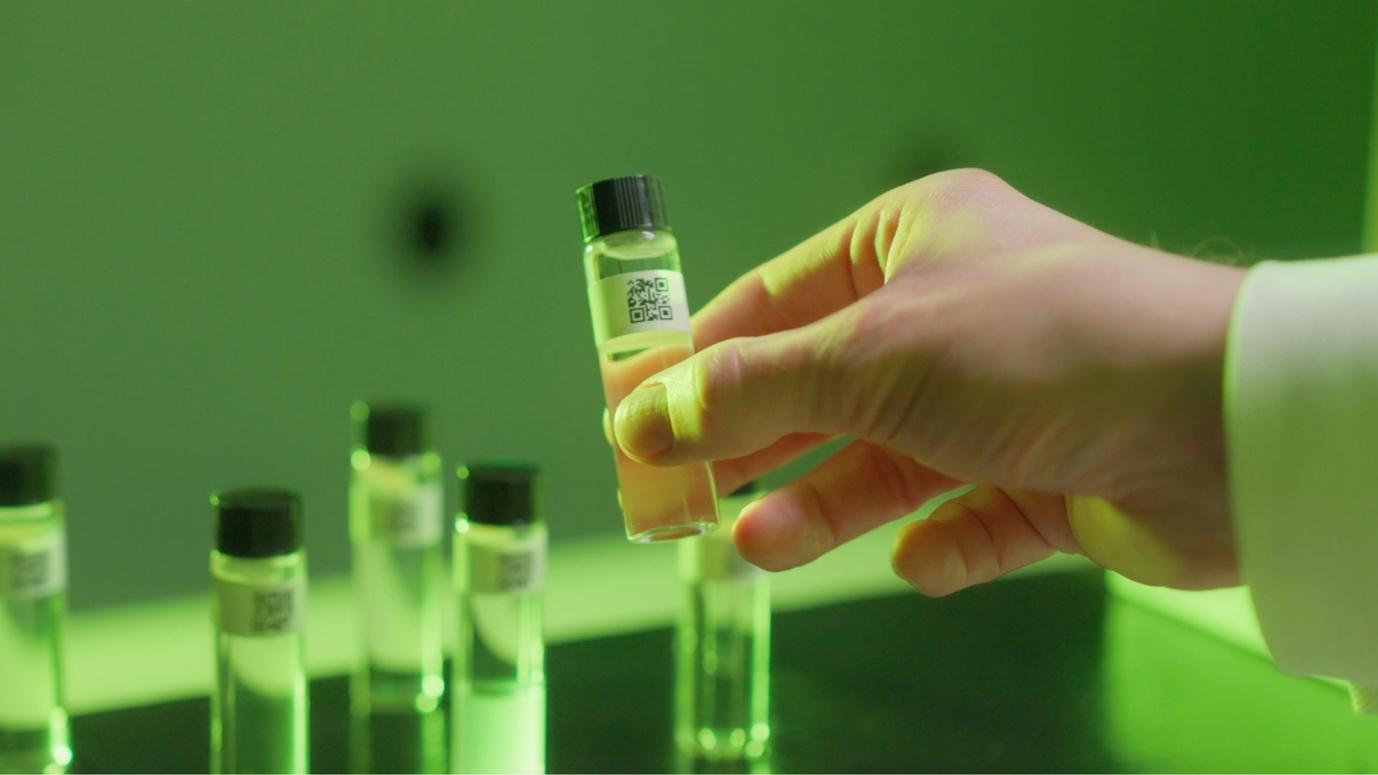
Avioxx’s waste-to-molecule process, also known as waste-to-chemical (W2C), converts this non-recyclable waste into synthesis gas. This is upgraded in a Fischer–Tropsch reactor and further optimised through Avioxx’s patented electrochemical integration.
The result: ultra-clean, drop-in SAF fully compatible with today’s aviation fuel.
Each tonne of Avioxx SAF prevents 11.5 tonnes of CO₂ emissions compared with conventional waste combustion. Scaling this technology would reduce fossil fuel imports, strengthen energy security, and build a more resilient circular economy.
Airport expansions: growth vs green goals
The aviation sector is expanding rapidly:
- London Gatwick is investing £2.2 billion to upgrade operations, including use of its Northern Runway. Flight numbers could rise from 280,000 to nearly 389,000 annually by the late 2030s, creating 14,000 jobs and boosting the UK economy by £1 billion each year.
- London Luton Airport has approval for a major expansion with a new terminal, doubling capacity to 32 million passengers by 2043.
While these projects are described as “vital infrastructure,” many critics argue that this decision threatens Net Zero commitments. Environmental groups warn that growth in air travel risks undermining emissions targets, with the national environmental charity, CPRE, calling such plans “a mockery” of the government’s 2030 climate goals.
Avioxx in action
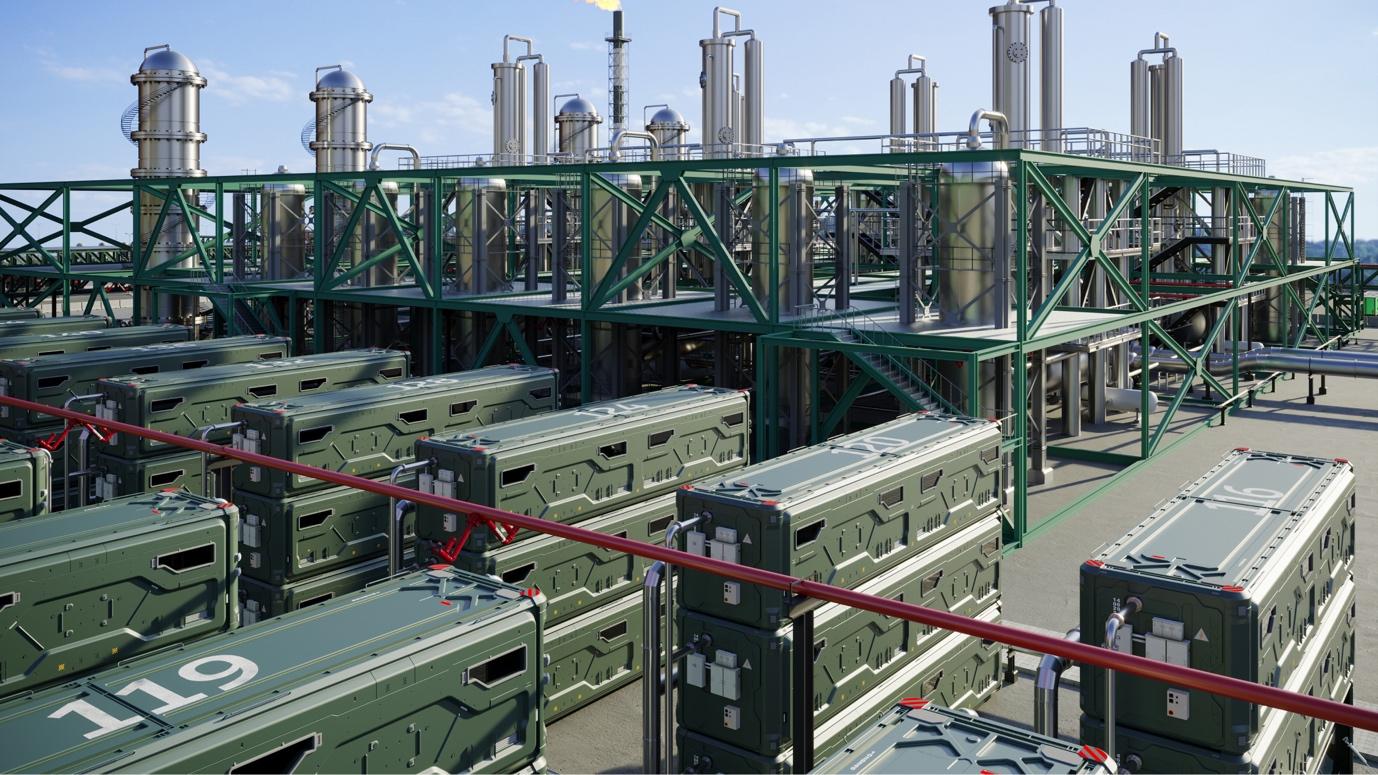
Avioxx is already advancing solutions to reconcile growth with sustainability with plans for a 32,000 TPA SAF facility. This scale-up will deliver benefits far beyond fuel production: creating new jobs in both the waste and sustainable fuel processing sectors, strengthening regional supply chains, and reducing the UK’s reliance on fossil fuels. By turning residual waste into a valuable energy source, Avioxx not only supports energy security but also addresses one of the UK’s most pressing challenges: effective waste management. The result is cleaner skies alongside cleaner communities.
The future of flight
Avioxx is demonstrating through its pioneering waste-to-molecule technology that the future of aviation can be both sustainable and high-performing. As demand for sustainable jet fuels accelerates alongside rising flight numbers and major airport expansions, alternative fuels are essential.
Avioxx’s phased scale-up strategy provides a practical roadmap to deployment, balancing risk with measurable progress. With strong market demand, supportive policy frameworks and proven industry partnerships, momentum is already building. Avioxx is ready to play a pivotal role in shaping the future of flight, where economic growth and environmental responsibility move forward together.