


Global warming is accelerating at a pace that requires urgent decisive action
By Myfanwy Fleming-Jones
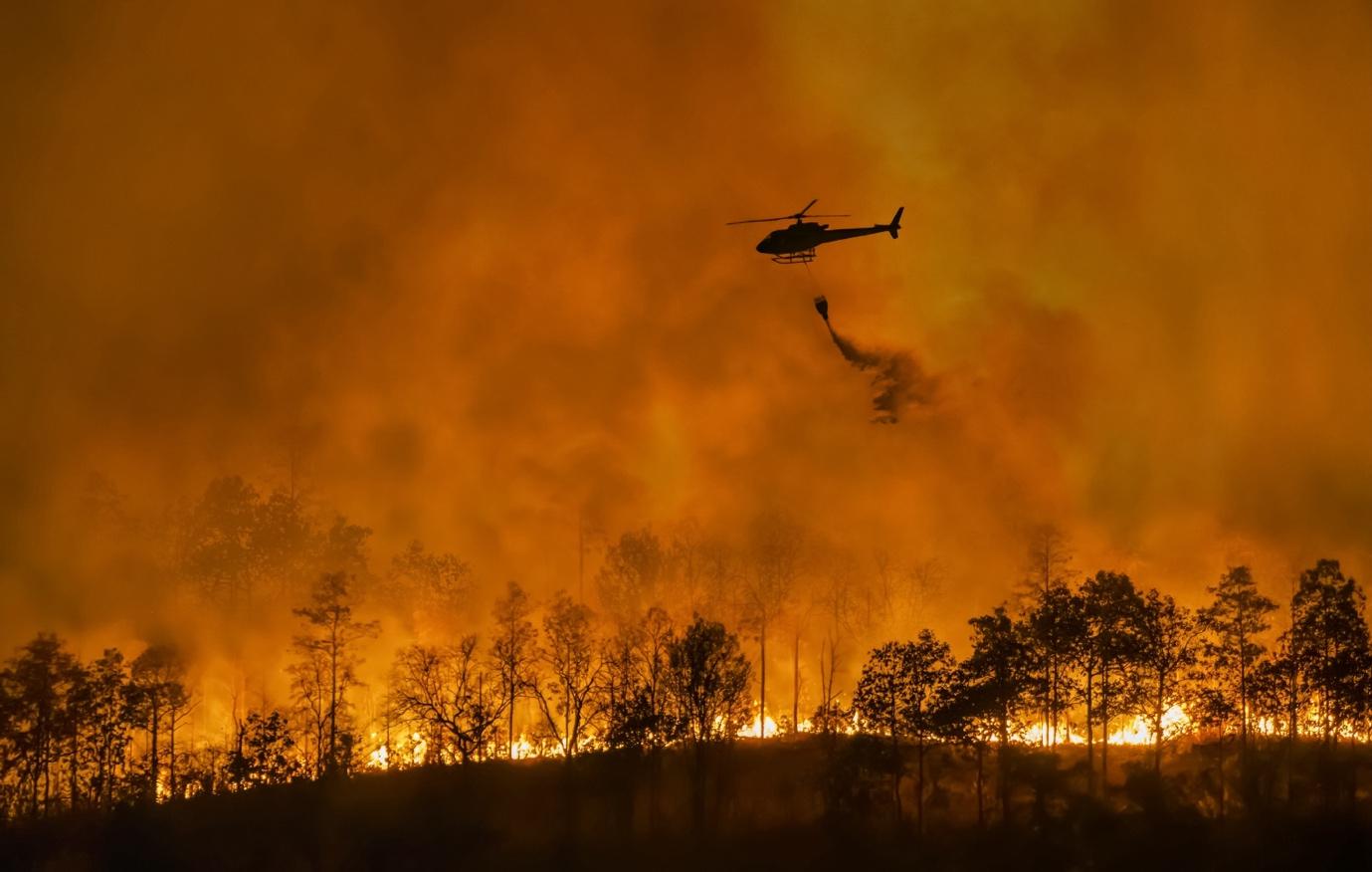
New analyses confirm that global warming has entered an accelerated phase, with 2024 recorded by NASA as the hottest year in history.
Leading climate scientists Dr Grant Foster and Professor Stefan Rahmstorf report in a 2025 preprint (non–peer-reviewed research paper) that the planet has already warmed by +1.46 °C above pre-industrial levels, more than double the long-term 20th-century trend. Their findings align with NASA’s confirmation that 2024 was the hottest year on record, with global temperatures averaging +1.47 °C above the 1850–1900 baseline. Their analysis warns that if this trajectory continues, the world could surpass +1.5 °C as early as 2026 and exceed +3 °C by 2050, marking a rapid and alarming departure from even the most pessimistic scenarios outlined in the IPCC’s Sixth Assessment Report.
What +3 °C really means
A global temperature rise of +3 °C would transform the Earth’s climate. The atmosphere would become significantly hotter, driving regular extreme heat events across all continents, with summer peaks reaching 50 °C in regions such as the Middle East, South Asia and Southern Europe. Such heat would cause widespread heat stress, water scarcity, crop failure and premature deaths, while also accelerating the spread of disease under increasingly dry and unstable conditions.
This rise in heat would also intensify drought to flood cycles, trigger severe water shortages and cause a 20–40% decline in staple crop yields, while fisheries collapse in warming oceans. As polar ice caps melt, sea levels are projected to rise by at least 0.5 m by mid-century, exposing coastal cities to chronic flooding and infrastructure loss. With an estimated 1–2 billion people displaced by climate impacts, the global economy could shrink by 10–20% of GDP. These are no longer distant projections but an emerging reality, reflected in the accelerating rise in global temperatures shown in the graph below.

A call from the scientific community
In April 2025, Germany’s Deutsche Physikalische Gesellschaft (DPG) and Deutsche Meteorologische Gesellschaft (DMG) issued a joint statement titled “Globale Erwärmung beschleunigt sich – Ein Aufruf zu entschlossenem Handeln”, translated as “Global warming is accelerating – a call for decisive action.”
The statement warns that there is no longer a safe remaining carbon budget if warming continues at the current pace. Even with strong mitigation efforts, several climate systems are now approaching critical tipping points, underscoring the urgent need for immediate and coordinated global action.
Why acceleration matters
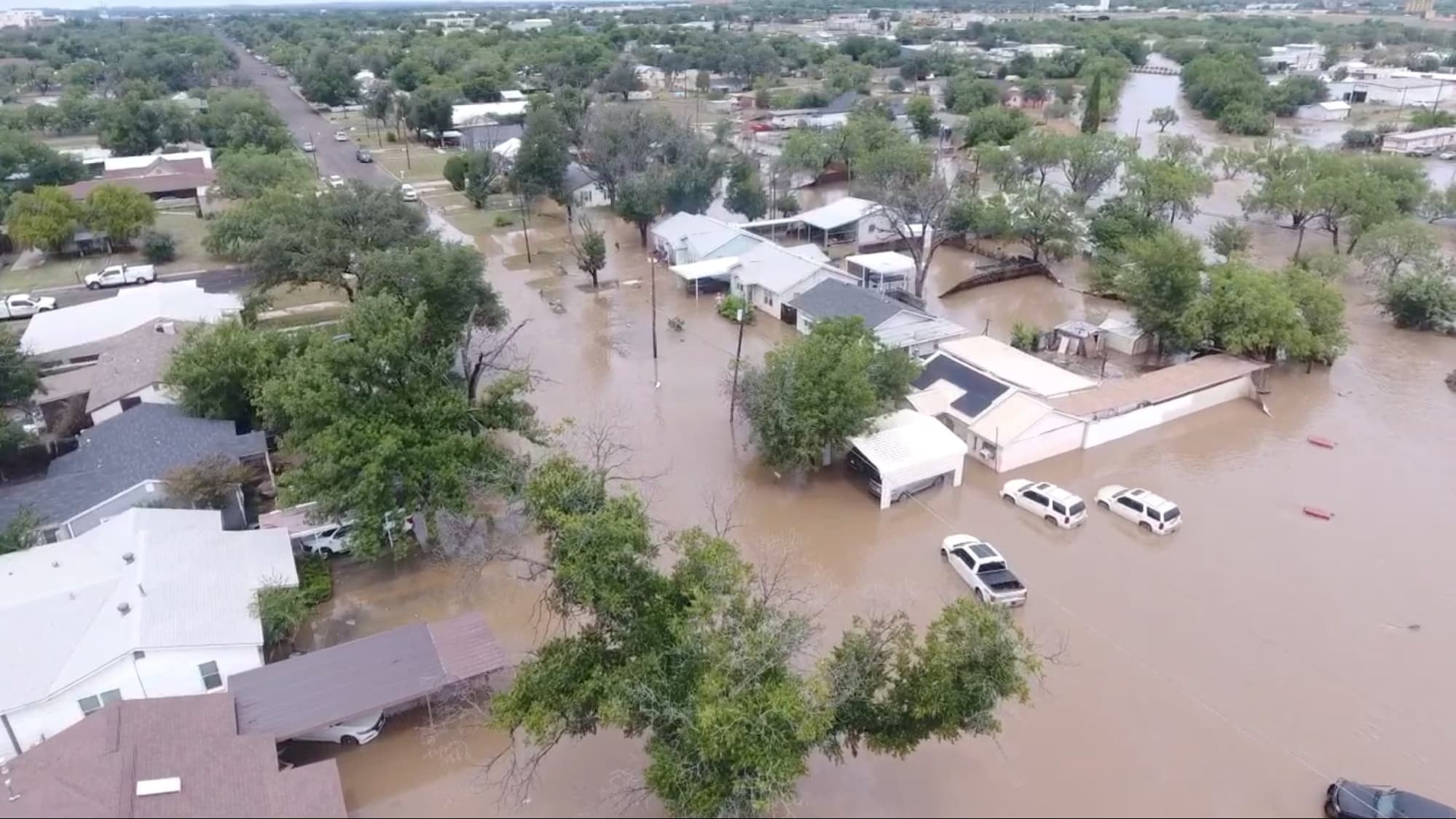
The acceleration of global warming means that climate inertia is shrinking. The time between cause and effect is rapidly shortening. Extreme weather events, once considered future scenarios, now occur every year, affecting millions worldwide. Policies and technologies that once seemed ambitious must now serve as the minimum baseline for action. In this context, solutions that replace fossil carbon with circular or carbon-neutral systems are no longer optional but essential. Every tonne of avoided CO₂ now carries greater marginal value, as compounding feedback within the climate system amplify both risks and benefits.
From warning to action
Scientific consensus has never been clearer, nor have the timelines been shorter. The path to climate stabilisation depends on three concurrent priorities:
- Rapidly reduce fossil fuel use, particularly in hard-to-abate sectors such as aviation, shipping and heavy industry.
- Deploy scalable, circular carbon technologies that reuse or capture carbon already in circulation.
- Adapt societies and infrastructure to withstand the unavoidable impacts already locked into the climate system.
Building solutions that match the scale of the problem
The acceleration of global warming underscores the need for technologies that can remove fossil carbon from essential sectors without relying on speculative breakthroughs. Aviation, one of the fastest-growing emitters, remains entirely dependent on fossil jet fuel, making it a clear target for innovation. Avioxx was created to meet this challenge.
The Avioxx integrated process converts residual household waste (RDF) into Sustainable Aviation Fuel (SAF) using a combination of gasification, Fischer–Tropsch synthesis, electrolysis and solid oxide fuel cells (SOFCs). This closed-loop, self-powered system:
This design creates a closed-loop, self-powered system that:
- Replaces fossil jet fuel with carbon-neutral SAF
- Captures and permanently stores CO₂ through the HyNet network
- Generates its own electricity from syngas via SOFCs
- and diverts waste from landfill and incineration.
The Avioxx answer: innovate, integrate, accelerate
Each tonne of Avioxx SAF avoids approximately 11.5 tonnes of CO₂-equivalent emissions, making it one of the most carbon-efficient fuel pathways available. At commercial scale, a single 32,000-tonne-per-year Avioxx plant can avoid around 368,000 tonnes of CO₂ annually, delivering a climate benefit equivalent to removing 80,000 cars from the road each year.
By turning waste into clean aviation fuel, Avioxx helps advance the goal set by the scientific community: reduce emissions now, at scale, using proven technology. This is practical innovation that can slow the accelerating curve of global warming and help preserve a stable climate for future generations.
Sources
- NASA (2025). NASA confirms 2024 as the warmest year on record. nasa.gov.
- Foster, G. & Rahmstorf, S. (2025). Global Warming Acceleration: Updated Trends Across Major Datasets (preprint).
- Deutsche Physikalische Gesellschaft & Deutsche Meteorologische Gesellschaft (2025). Globale Erwärmung beschleunigt sich – Ein Aufruf zu entschlossenem Handeln. dpg-physik.de
- IPCC (2023). Climate Change 2023: Synthesis Report. Intergovernmental Panel on Climate Change.
- Lee, D. S. et al. (2021). The contribution of global aviation to anthropogenic climate forcing for 2000–2018. Atmospheric Environment, 244, 117834.