


Environmental impacts of the maritime industry
By Myfanwy Fleming-Jones
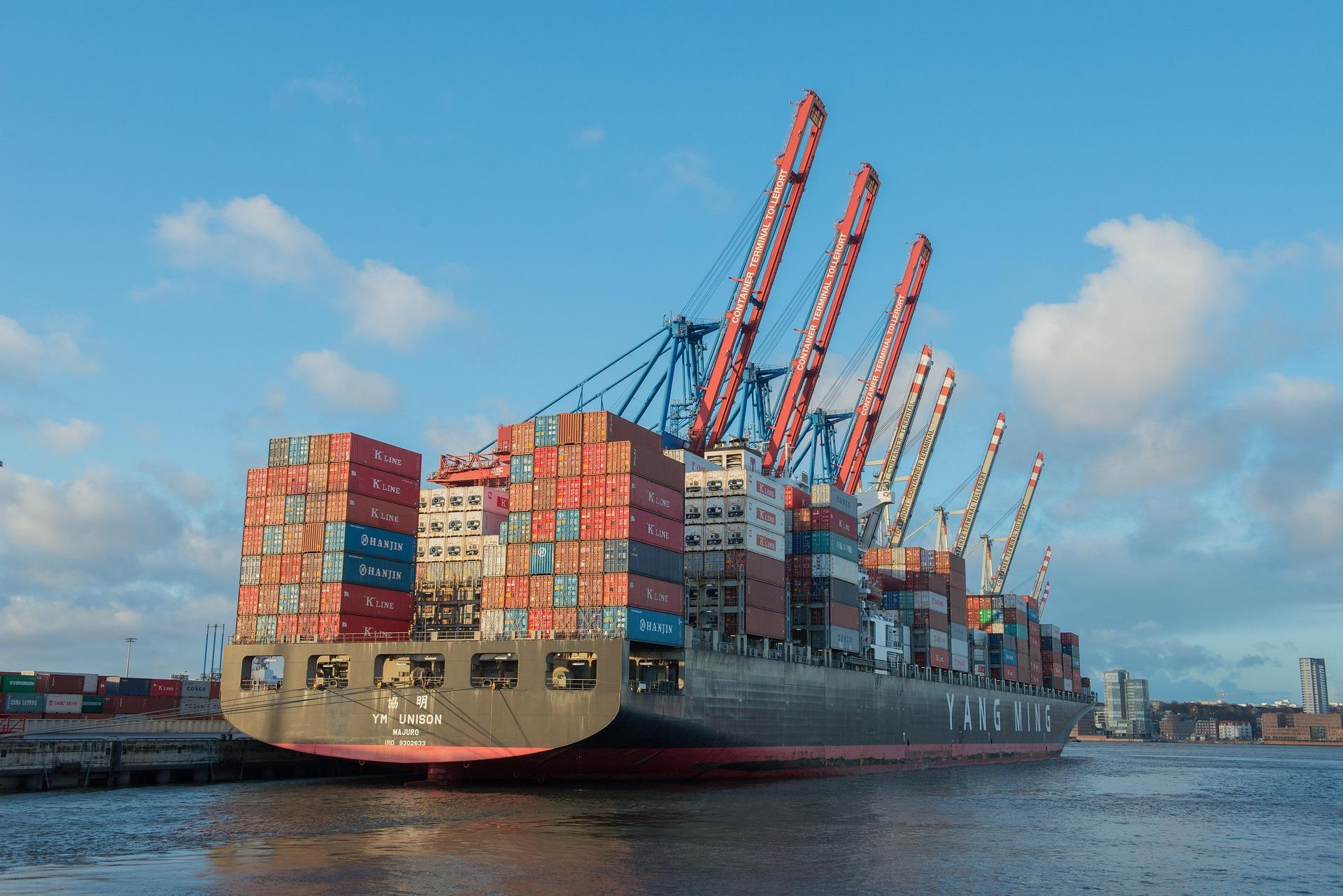
The maritime industry plays a crucial role in global trade and the economy. A powerhouse for transportation, it encompasses all activities related to shipping and the sea. Because of this, the industry produces around 3% of global CO₂ emissions annually - roughly equivalent to the emissions of a major industrialised country.
These carbon pollutants are created through the frequency of recreational cruises, infrastructure maintenance and international trade. Despite the emissions roughly equating to the same amount as the aviation industry, there has been very little progress made to change this.
In recent years, the aviation industry has gained large amounts of attention with a focus on creating a greener future as solutions for more sustainable fuel and flight operations have been created. Without this consumer and public attention, there is little to no pressure on the maritime industry to prioritise green shipping and the lack of incentive to be climate-conscious is not pushing change forwards.
The aviation industry has faced scrutiny due to its growing annual CO₂ emissions being a leading contributor to climate change. Like aviation, the maritime industry is a major form of global transportation. Despite it being more energy efficient, the emissions coming from the maritime industry are projected to increase up to 130% of 2008 emissions by 2050. If the maritime industry and commercial shipping grows as projected, the objectives of the Paris Agreement, with the aim of reducing climate change, will not be met. It is essential that the focus that is being directed towards creating sustainable solutions within the aviation industry is also applied to the shipping sector.
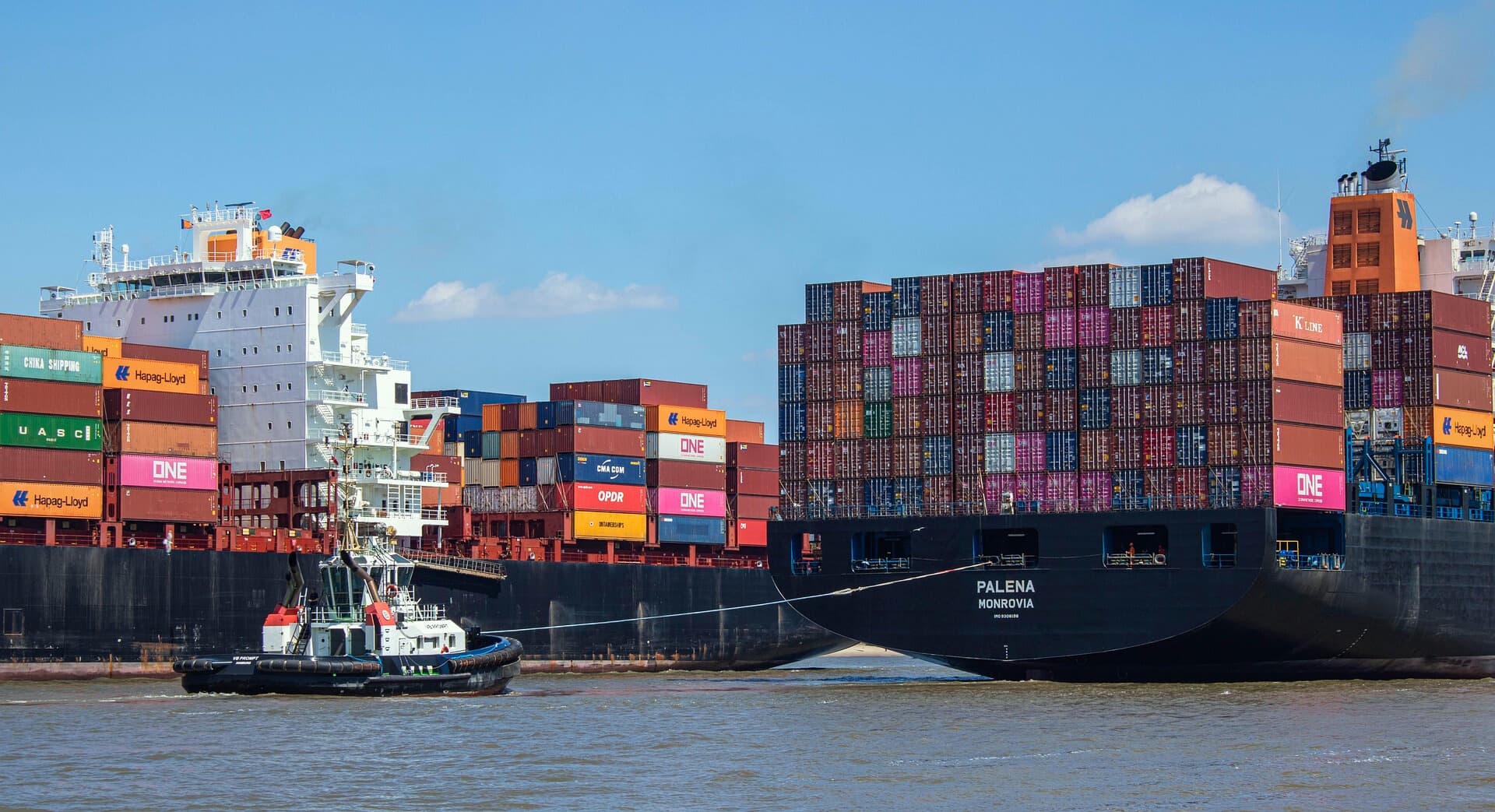
Emissions and Climate Impact
The maritime industry incorporates cruise ships, passenger transports, fishing vessels and military seafaring activities. One of the main contributors to the emissions from this industry is cruise ships — an increasingly popular option among holiday goers. As knowledge of the impact that flying has on climate change has become widespread, people have looked to other options. With the ease and regular availability of cruises, this form of travel has seen significant growth in recent years. Passenger numbers now exceed pre-pandemic levels in 2023 and are forecasted to continue growing with an estimate of 39.4million passengers by 2027.
Whilst being only 2% of the shipping industry the emissions per-passenger are a major contributor to the overall maritime emissions due to the round-the-clock hotel style operations. Even the most efficient cruise ships emit around 250 grams of CO₂ per passenger per kilometre, this is similar to the carbon footprint of a domestic flight within the UK or 1.7 times that of a long haul flight1 . A daily cruise trip averages 700-1000 pounds of carbon emissions, a figure much higher than flying, driving or ‘land’ vacations.
In 2018, it was reported that international shipping was responsible for emitting approximately 1 billion metric tons of CO₂ from the burning of heavy fuel oil. In addition to CO₂, nitrogen oxides (NOx) and sulfur oxides (SOx) are also released, exacerbating air pollution and acid rain. The sulphur dioxide emissions from a single cruise-ship can equal the emissions from 13.1 million cars per day. These environmental impacts from the maritime sector are a significant driver of climate change, yet they often go unnoticed as the aviation industry remains in the spotlight for environmental concerns.
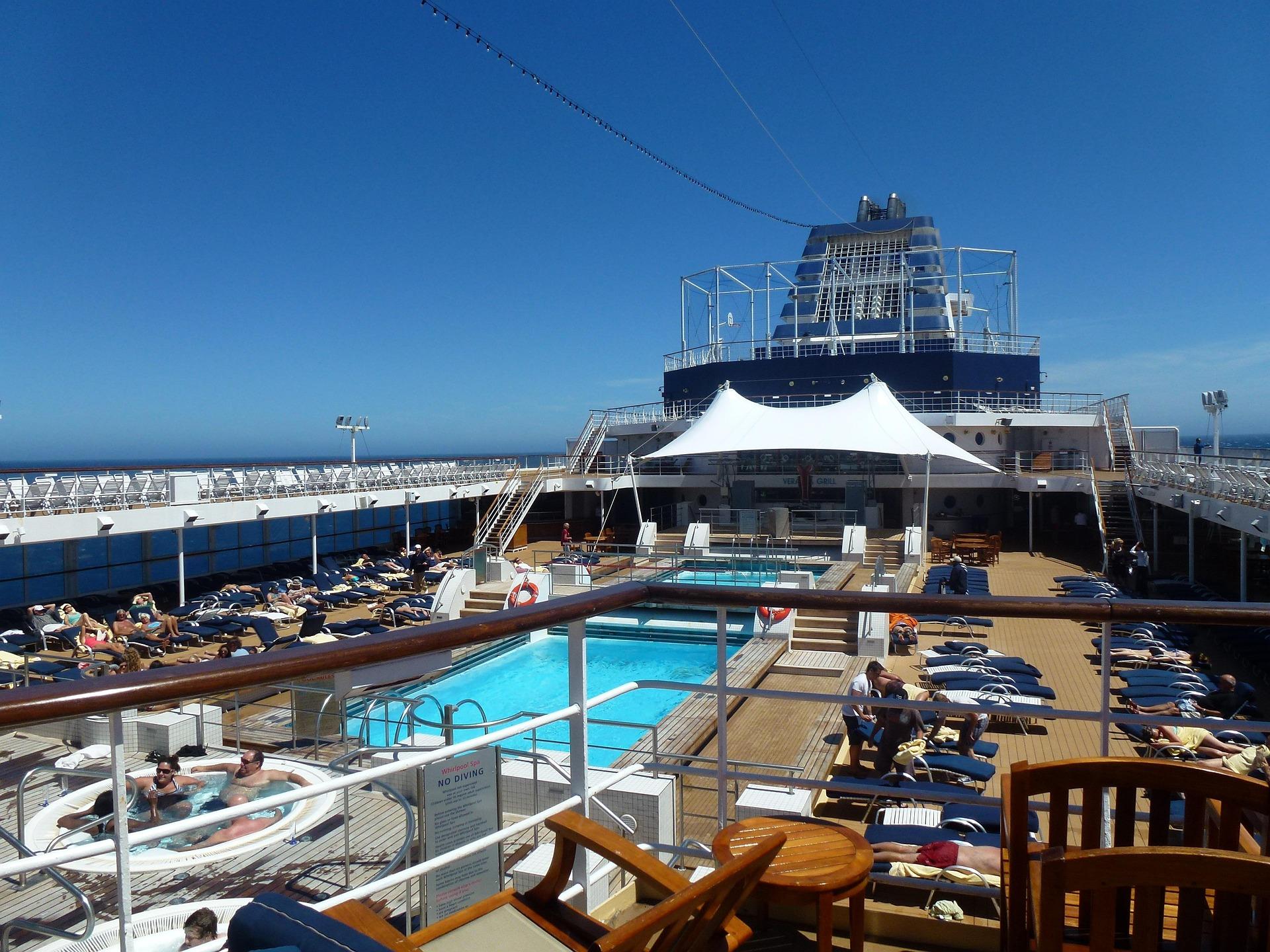
The cruise ship industry continues to expand each year, contributing significantly to climate-related challenges. To preserve public interest and enjoyment of this sector without causing long-term environmental harm, the adoption of sustainable solutions is essential. The environmental impact of this is a pressing issue and with funding and attention being centred on the aviation industry, greener alternatives such as sustainable maritime fuel are not being prioritised.
Synthetic fuels are one of the most viable options for alternative marine fuels and Avioxx is producing Fischer-Tropsch diesel as a secondary product in addition to Sustainable Aviation Fuel. Innovative solutions like this are essential to meeting the environmental goals that the Paris Agreement has set and to encourage those industries which are major global warming contributors to incorporate efficient changes to reduce their carbon emissions.
Key Challenges in Decarbonising the Maritime Industry
The challenges of decarbonising the aviation and maritime industries share many similarities. While green technologies like wind-assisted propulsion and battery-powered ships are being developed, many of these innovations are still in the early stages, much like emerging technologies in the aviation sector. Another significant hurdle for decarbonising the maritime industry is the long lifespan of ships, typically 25-30 years. This slow pace of fleet renewal is compounded by the technical and financial difficulties of retrofitting older vessels, much like the challenges faced with older aircraft models.
In addition to these challenges, the higher costs of green fuels make the continued use of heavy fuel oils (HFOs) more appealing, due to their lower cost and broader availability. Many ports lack the necessary refueling infrastructure for alternative fuels such as LNG, biofuels and green hydrogen with the supply chains often being underdeveloped. Meanwhile, while these green fuels are cleaner in terms of CO₂ emissions, they come with their own environmental concerns. For example, LNG can release unburned methane, a potent greenhouse gas.
Due to limited incentives or subsidies in many regions, shipowners frequently bear the majority of the cost when opting for greener alternatives. This creates a significant financial barrier to the transition towards sustainable fuels as it lacks public funding and is often priced at a premium. Addressing the issue of greener options not being financially viable is crucial to meeting climate change goals and encouraging a reduction in the use of heavy fuels within the maritime industry.
Conclusion
Accessible and affordable transportation is vital for moving goods, people, and materials across the globe. To ensure this remains possible in the long term, it’s critical that the transport sector embraces a greener future. We are at a pivotal moment where high-emission industries — particularly aviation and maritime — must take decisive action to lower their carbon footprints.
While the aviation sector is making strides toward sustainability, the maritime industry is overlooked. At Avioxx, we’re already contributing to the shift by producing diesel as a co-product of converting household waste into aviation fuel — proving that practical alternatives are not just possible, but already in motion.
To combat global warming effectively, the maritime industry must receive the same level of attention and innovation as aviation. With sustainable options ready to scale, it’s now up to consumers to demand change and encourage the maritime sector to invest in a cleaner, more sustainable future.
To learn more about Avioxx’s sustainable fuel development plan, please get in touch at info@avioxx.com.