


Could Your Next Flight Be Powered by Your Household Waste?
By Myfanwy Fleming-Jones
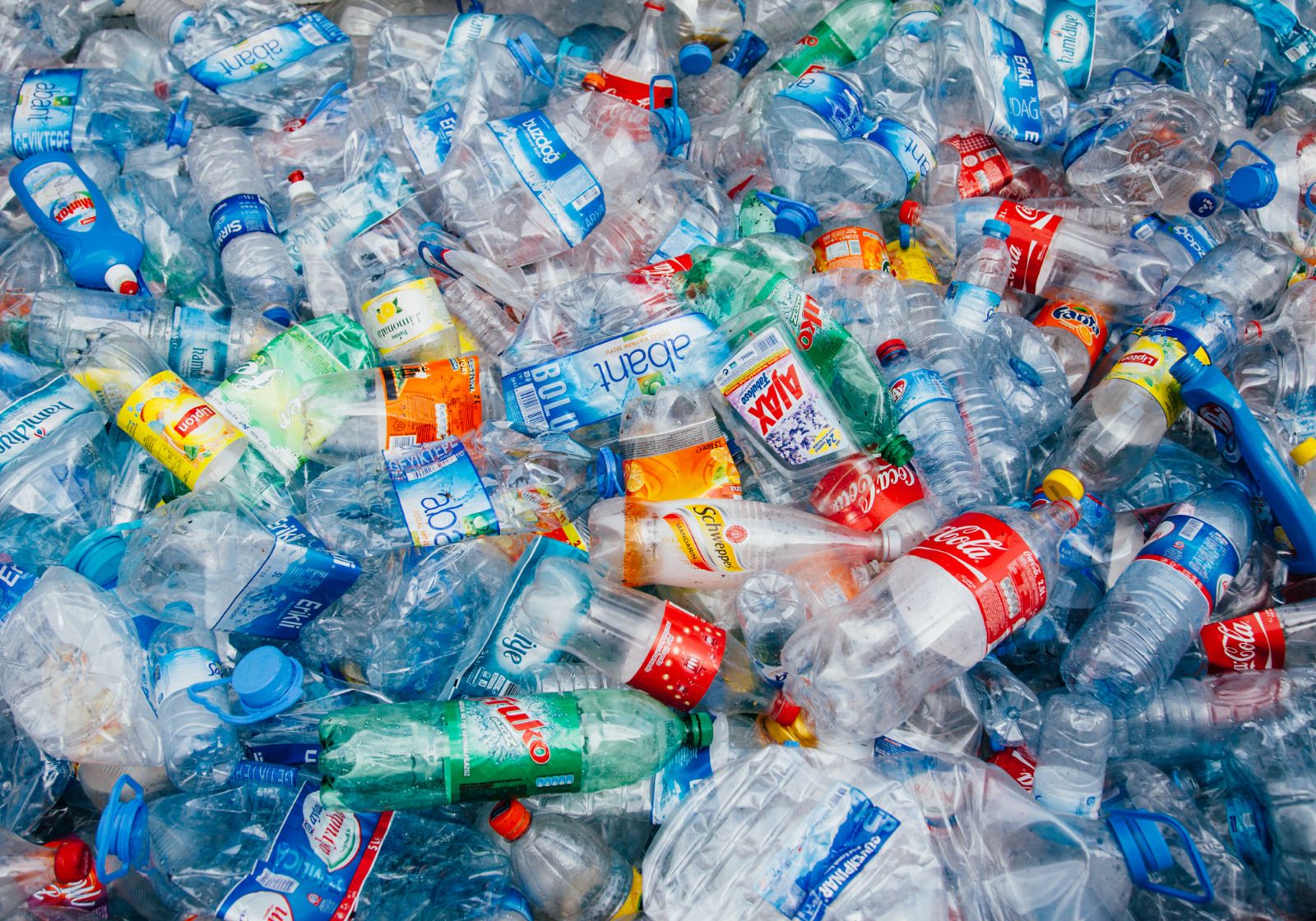
It may sound improbable. But it is quickly becoming one of the most practical answers to aviation’s toughest challenge.
Global air travel continues to grow. At the same time, governments are introducing binding mandates for Sustainable Aviation Fuel. The result is a widening gap between what aviation needs and what today’s SAF supply can realistically deliver. Closing that gap will not be possible with existing fuel pathways alone.
Turning unrecyclable household waste into jet fuel is no longer a fringe concept. It is emerging as one of the few routes capable of scaling with aviation demand, while delivering real benefits for both people and the planet.
Why Today’s SAF Supply Cannot Meet Demand
The SAF market today is dominated by fuel produced from Hydroprocessed Esters and Fatty Acids, commonly known as HEFA. These fuels are made from fats, oils and greases, often referred to as FOGs. HEFA is proven, efficient and trusted by airlines, achieving conversion rates of 70–80% and operating at the largest commercial scale available today.
That success also exposes its limits.
Sustainable FOG feedstocks are inherently constrained. Waste cooking oils and animal fats are finite resources and much of the existing supply is already committed to road transport fuels such as biodiesel. As SAF demand accelerates, driven by rising global air travel and increasing regulatory mandates requiring higher SAF blends, HEFA alone cannot meet future needs.
In the early 2020s, global SAF production remained below one billion litres, accounting for less than 0.3% of total jet fuel consumption. However, projected growth in aviation demand will require a substantial increase in SAF supply, highlighting the risk that reliance on a single feedstock pathway with constrained inputs is incompatible with long-term aviation decarbonisation goals. Feedstock diversity is therefore no longer optional; it is essential.
Waste as an Underused Fuel Resource
Household and municipal waste represents one of the largest underutilised resources in the global energy system. Research by international scientists suggests that more than 62.5 billion litres of jet fuel could be produced globally each year from household waste alone. If deployed at scale, this could reduce aviation’s greenhouse gas emissions by up to 16%.
Unlike crop-based biofuels, waste-derived SAF does not compete with food production, agricultural land or freshwater resources. It uses materials that already exist and are otherwise landfilled or incinerated, where they release methane and carbon dioxide. When converted into fuel, lifecycle emissions can be reduced by up to 80–90% compared with conventional fossil jet fuel.
This matters because aviation is uniquely difficult to decarbonise. Energy density requirements are high, aircraft fleets turn over slowly, and alternatives to liquid fuels remain limited. Efficiency gains alone cannot solve the problem. The carbon intensity of jet fuel itself must change.
Designing for Real-World Waste
Many waste-to-fuel projects struggle for the same reason that waste is not consistent.
Feedstock composition varies daily. Plastics, textiles, biomass and residual materials differ in moisture, ash content and hydrogen availability. Systems designed around idealised or uniform inputs often fail when exposed to real-world waste streams.
Avioxx starts from a different assumption.
At its Advanced Fuels Facility in Cheshire, Avioxx has developed a process designed specifically for the variability of unrecyclable waste. Mixed residual materials are converted into syngas through gasification, then refined into sustainable aviation fuel using Fischer–Tropsch synthesis.
Variability is treated as a design condition, not an exception. Feedstock chemistry is linked directly to gasification behaviour, internal energy generation, hydrogen and oxygen balancing, and final fuel yield. The system is built to operate reliably across changing waste streams rather than requiring tightly controlled inputs.
Why System Integration Matters
The defining feature of the Avioxx approach is not a single technology, but how the system works as a whole.
An integrated solid oxide fuel cell and electrolyser loop provides internal power generation and molecular balancing. This allows hydrogen and oxygen requirements to be adjusted dynamically, stabilising syngas quality across plastic-rich, biogenic and low-grade refuse-derived fuel streams.
Rather than relying on scarce external inputs, the system balances itself. Power, hydrogen and oxygen are managed internally to protect fuel quality and operational stability.
This system-level integration is what enables consistent SAF production from inconsistent waste. It is also what makes the pathway scalable, reliable and economically credible.
Aviation consumes close to 4,000 terawatt-hours of energy each year. Global liquid biofuel production is a fraction of that total. Even diverting all biofuels to aviation would fall far short, while placing pressure on land use and food systems.
At the same time, the world faces a growing waste crisis. In the UK alone, 1.5 million tonnes of used textiles, plastics and mixed waste are discarded each year, much of it exported or dumped, with serious environmental and social consequences.
Waste-based sustainable aviation fuel addresses both challenges at once. It reduces emissions, cuts landfill and incineration, and turns society’s waste into a productive input for global connectivity.
From Possibility to Necessity
Aviation may never be entirely impact-free. But it can be far better than it is today.
The question is no longer whether aviation must change, but which technologies can deliver change at the scale required. Pathways constrained by limited feedstocks will not be enough.
Waste-based sustainable aviation fuel offers a credible route forward. With the right system design, the materials society throws away every day can help power the flights it still needs to take.
Your next flight being powered by household waste is no longer improbable. It is increasingly inevitable.